
Imagine a cyber villain that changes its outfit every 10 minutes 🕵️♂️. Sounds like something out of a spy movie, right? Well, that’s exactly how polymorphic viruses operate. These sneaky pieces of malware constantly morph their appearance to dodge your antivirus software, making them a nightmare to catch.
Traditional security tools rely on “Wanted Poster” style detection methods. They look for specific signatures to identify threats. But here’s the kicker: polymorphic viruses rewrite their code every time they infect a new system. This evasion tactic keeps them one step ahead of even the most advanced defenses.
According to CrowdStrike, over 90% of modern malware uses these shape-shifting tricks. Even if one variant gets caught, the mutation engine spawns new, undetectable versions. It’s like playing whack-a-mole with a digital chameleon. Scary, right?
Key Takeaways
- Polymorphic viruses constantly change their code to avoid detection.
- Traditional signature-based tools often fail against these threats.
- Over 90% of modern malware uses polymorphic techniques.
- These viruses act like digital chameleons, always in disguise.
- Even if one variant is caught, new versions remain undetectable.
What Is a Polymorphic Virus in Cyber Security?
Think of a digital shape-shifter that’s always one step ahead of your defenses. These sneaky threats, known as polymorphic malware, are the ultimate chameleons of the cyber world. They constantly change their appearance to avoid detection, making them a nightmare for traditional security tools.

Definition and Core Characteristics
At their core, these viruses use mutation engines and encryption to rewrite their code every time they infect a new system. This means they can change file names, sizes, and even their structure while keeping the same malicious function. As CrowdStrike puts it, “A Trojan stays a Trojan, even when wearing new digital camo.”
First appearing in the 1990s with the V2PX/1260 virus, these threats have evolved into a major concern. Today, over 80% of ransomware attacks use polymorphic techniques, according to SentinelOne. It’s not your grandma’s computer virus 💻—it’s the T-1000 of cyber threats.
How Polymorphic Viruses Differ from Traditional Malware
Traditional threats use a “one-and-done” approach with static code. Once detected, they’re easily neutralized. But polymorphic malware is like a plastic surgeon for code 🏥—it alters its fingerprints every time it strikes. This makes it nearly impossible for signature-based tools to keep up.
| Feature | Polymorphic Malware | Traditional Malware |
|---|---|---|
| Code Structure | Changes with each infection | Remains static |
| Detection Difficulty | High | Low |
| Encryption | Uses variable keys | Rarely encrypted |
“Polymorphic malware is the ultimate evasion artist, constantly rewriting its playbook to stay hidden.”
For a deeper dive into these threats, check out Arctic Wolf’s glossary. It’s packed with insights on how to stay one step ahead of these digital chameleons.
How Polymorphic Viruses Work
Ever seen a Russian nesting doll? Each layer hides a new surprise—just like these sneaky threats. They use advanced techniques to stay hidden and wreak havoc on your systems. Let’s break down how they operate.

The Role of Encryption and Mutation Engines
Think of encryption as a malware witness protection program. It scrambles the code, making it unrecognizable to traditional detection tools. Each time the threat infects a new system, it uses dynamic keys to rewrite itself. This is where mutation engines come in.
These engines shuffle subroutines, swap registers, and substitute instructions. It’s like a subroutine shuffle party 🎉—every move creates a new variant. SentinelOne notes that this constant change keeps the threat one step ahead of your defenses.
The Infection Process: From Download to Execution
The attack chain is a well-orchestrated playbook. It starts with a phishy email or a drive-by download. Once inside, the malware uses encryption to disguise itself. Then, the mutation engine kicks in, altering the code to avoid detection.
Here’s the kicker: these threats often “play dead” in sandboxes. They delay their attack until they hit real systems. This makes them even harder to catch.
| Stage | Description |
|---|---|
| Encryption | Scrambles the code to avoid detection |
| Download | Enters the system via phishing or drive-by |
| Mutation | Alters code using dynamic keys |
| Execution | Launches the attack on real systems |
“Polymorphic malware is the ultimate evasion artist, constantly rewriting its playbook to stay hidden.”
By understanding how these threats work, you can better prepare your defenses. Stay vigilant, and don’t let these digital chameleons outsmart you.
Why Polymorphic Viruses Are Hard to Detect
Picture a threat that evolves faster than your defenses can keep up. These digital chameleons constantly rewrite their code, making them a nightmare for traditional security tools. Let’s dive into why they’re so tricky to catch.
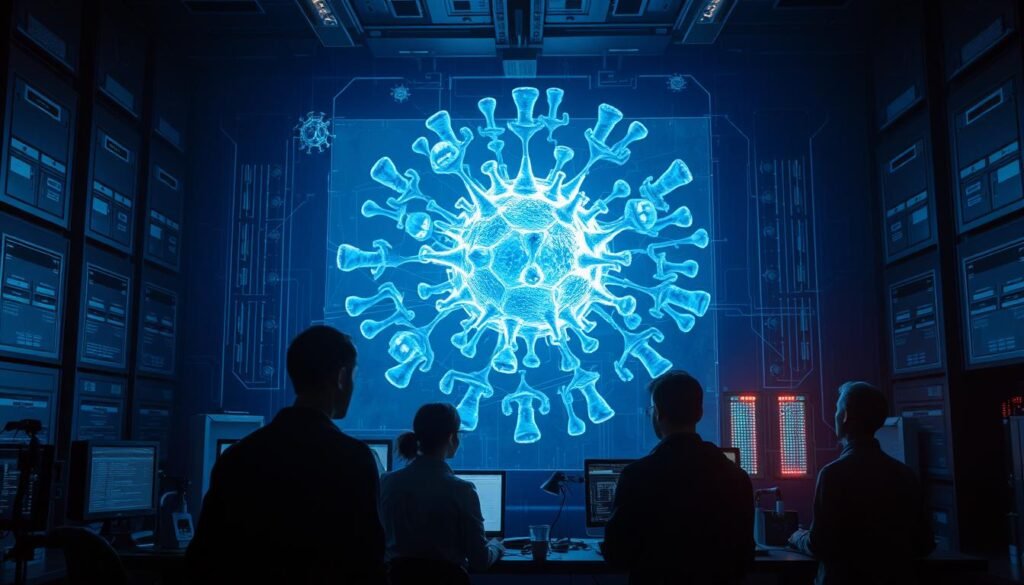
Evasion of Signature-Based Detection
Old-school antivirus software relies on signatures to identify threats. But here’s the catch: these threats change their signature every 10 minutes. It’s like fighting a zombie horde 🧟♂️ where every infected person looks completely different.
For example, the Beebone botnet infected thousands before detection. It kept rewriting its code, making it invisible to traditional tools. This creates a false sense of security, leaving your systems vulnerable.
Limitations of Behavioral Analysis
Behavioral analysis sounds promising, but these threats are masters of disguise. They “play nice” until they’re inside your network. Once activated, they unleash chaos, bypassing even the most advanced security tools.
Think of it as a wolf in sheep’s clothing 🐺. It looks harmless until it’s too late. This makes it nearly impossible to detect based on behavior alone.
The Challenge of High Mutation Rates
Some variants generate over 1 million unique signatures weekly. This overloads detection systems, making it impossible to keep up. CrowdStrike notes that these high mutation rates are a key reason why these threats are so hard to neutralize.
It’s a never-ending game of cat and mouse. Just when you think you’ve caught one, a new variant pops up, ready to wreak havoc.
- Traditional tools fail against constantly changing signatures.
- Behavioral analysis is limited by malware that “plays nice” until activation.
- High mutation rates overwhelm detection systems.
Understanding these challenges is the first step in building better defenses. Stay vigilant, and don’t let these digital chameleons outsmart you.
Examples of Polymorphic Viruses in Action
Meet the A-listers of malware—these polymorphic celebs caused global chaos 🌍. From fake weather alerts to cloud storage infections, these threats have left their mark on the digital world. Let’s dive into their infamous careers.
The Storm Worm: A Case Study
Back in 2007, the Storm Worm hit the scene with a bang. It spread via fake “weather disaster” emails, infecting over 1 million endpoints. This threat built a massive botnet, making it one of the most notorious attacks of its time.
What made it so sneaky? It used polymorphic malware techniques to constantly change its appearance. This kept it hidden from traditional detection tools, allowing it to wreak havoc unchecked.
VirLock: The First Polymorphic Ransomware
VirLock took ransomware to a whole new level. It didn’t just lock your files—it infected your cloud storage, spreading to all connected devices. This infection method made it a nightmare for users and a headache for security teams.
Its polymorphic nature meant it could change its code with each attack, making it nearly impossible to detect. VirLock’s nasty trick? It turned your Dropbox into a weapon against you.
Beebone: A Global Polymorphic Threat
Beebone was the master of disguise. This banking botnet hid in plain sight while draining accounts worldwide. It used polymorphic malware to constantly rewrite its code, staying one step ahead of detection.
In 2015, an international operation finally neutralized this global threat. But its legacy lives on, reminding us how dangerous these viruses can be.
| Threat | Method | Impact |
|---|---|---|
| Storm Worm | Fake weather emails | 1M+ endpoints infected |
| VirLock | Cloud storage infection | Spread to connected devices |
| Beebone | Banking botnet | Global financial theft |
“Polymorphic malware is the ultimate evasion artist, constantly rewriting its playbook to stay hidden.”
For more insights on these threats, check out CrowdStrike’s guide. Stay informed, and don’t let these digital chameleons outsmart you.
Advanced Techniques to Detect Polymorphic Viruses
Ever wonder how to catch a digital ghost that’s always changing its disguise? 🕵️♂️ Traditional tools often fall short, but modern security solutions are stepping up the game. Let’s dive into the cutting-edge methods that help detect polymorphic threats before they wreak havoc.

Machine Learning and Artificial Intelligence
Fight fire with AI 🔥—machine learning and artificial intelligence are revolutionizing threat detection. Tools like CrowdStrike analyze over 100 file characteristics, from randomness to icons, to spot anomalies. It’s like giving your system a digital fingerprint scanner 🖐️.
These solutions don’t rely on static signatures. Instead, they learn from patterns, making them perfect for catching shape-shifting threats. As CrowdStrike puts it, “AI spots what humans can’t.”
Behavioral Analysis and Heuristic Scanning
Think of behavioral analysis as a malware CSI 🕵️♀️. SentinelOne’s technology maps attack storylines, identifying suspicious behavior even when the code changes. It’s all about spotting the intent behind the actions.
Heuristic scanning takes it a step further. It examines code segments for malicious intent, even if the structure is altered. This proactive approach keeps your system one step ahead of evolving threats.
Sandboxing and Dynamic Analysis
Need a safe space to test suspicious files? Enter sandboxing 🏖️. Cloud-based “detonation chambers” isolate potential threats, allowing real-time analysis of their behavior. This is especially effective against delayed-execution malware that plays dead in traditional environments.
Dynamic analysis monitors how files act in real-time, exposing hidden threats. It’s like setting a trap for digital chameleons 🦎.
“Even AI needs human threat hunters to stay ahead of the game.”
For more insights on these advanced techniques, check out this detailed guide. Stay vigilant, and don’t let these digital ghosts outsmart you.
Best Practices to Protect Against Polymorphic Viruses
Building a digital fortress 🏰 isn’t just a fancy phrase—it’s your best defense against sneaky threats. These shape-shifting nasties are tough to catch, but with the right strategies, you can keep your systems safe. Let’s dive into the top tactics to outsmart these digital chameleons.

Implementing Next-Generation Antivirus Solutions
Old-school antivirus software won’t cut it anymore. Next-gen tools like CrowdStrike Falcon Prevent and SentinelOne use machine learning and automated remediation to stay ahead of evolving threats. These security solutions analyze behavior, block exploits, and even fix issues automatically.
Here’s a quick comparison of the top players:
| Feature | CrowdStrike Falcon Prevent | SentinelOne |
|---|---|---|
| Machine Learning | Yes | Yes |
| Exploit Blocking | Yes | Yes |
| Auto-Remediation | Yes | Yes |
Regular Software Updates and Patch Management
Keeping your software updated is like locking your doors at night—it’s basic but essential. Automate updates to ensure you’re always protected against the latest threats. As Mimecast advises, regular patches close vulnerabilities that these threats exploit.
Employee Training and Cybersecurity Awareness
Did you know over 60% of infections start with user error? Phishing emails are a common entry point, so train your team to spot suspicious email attachments and links. Simulated attacks can turn your employees into your first line of defense.
“A well-trained team is your best defense against phishing and other social engineering attacks.”
Pro tip: Combine multi-factor authentication (MFA), HTTPS everywhere, and app permission audits for an extra layer of endpoint protection. These small steps can make a big difference in keeping your systems secure.
Conclusion
The bottom line? These digital chameleons are the ultimate hide-and-seek champions 🏆. With mutation engines and encryption, they rewrite their code faster than traditional tools can keep up. It’s a never-ending game of cat and mouse.
Here’s the deal: legacy antivirus just won’t cut it anymore. It’s time to upgrade to AI-powered solutions like CrowdStrike and SentinelOne. These tools analyze behavior, block exploits, and even fix issues automatically. Proactive hunting beats reactive panicking every time.
Assume you’re already infected—because these threats are masters of disguise. But don’t lose hope. Next-gen tools are winning the arms race, offering better protection than ever before. Stay vigilant, and you’ll stay ahead of the game. 🛡️
