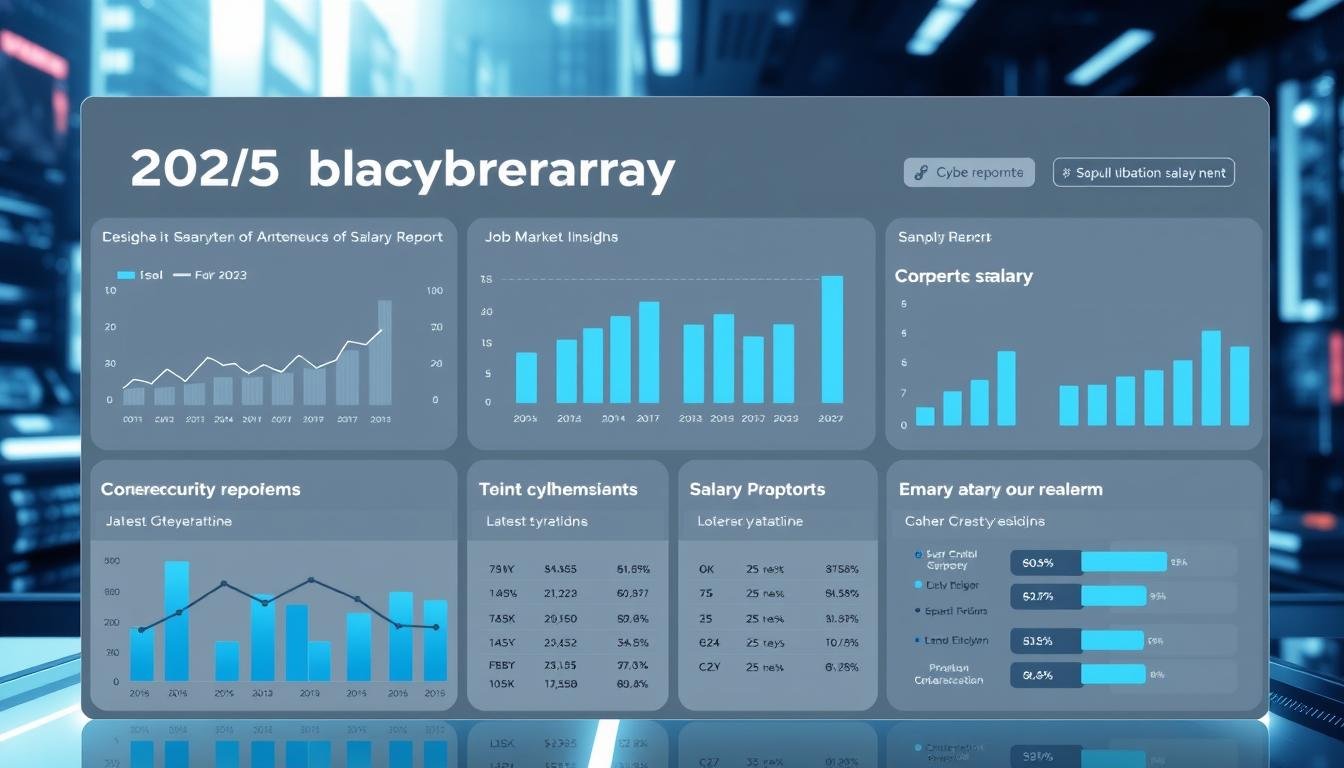
This benchmark translates market pay into clear steps you can use now. It shows who wins in hiring, which skills command premiums, and where organizations must improve.
Question: Are your skills, role, and region priced fairly—or is your next pay bump waiting on a clearer ask?
This analysis combines a 500+ respondent survey with Pearl Meyer panels covering 33,000 employees across 138 organizations. It breaks down base pay, short-term incentives, total cash compensation, and long-term awards by role, degree, department, and region.
Readers will find practical guidance for analysts, engineers, architects, incident responders, and leaders who negotiate offers or build teams. For methodology and deeper benchmarks, see the full IANS release and an industry salary summary from IAPP for comparable context: IANS Research press release and IAPP salary survey summary.
Key Takeaways
- Security architects and senior engineers command top cash compensation; know the market ranges before you negotiate.
- Regional pay gaps are large—West and Northeast lead while Central and Southeast trail by tens of thousands.
- Specialized skills in cloud, AppSec, and threat intelligence earn clear premiums.
- Many staff split time across functions; organizations should reflect that in compensation and role design.
- Low satisfaction and slow advancement remain warning signs for leadership to act.
What the data shows right now: sources, scope, and how to read this industry report
This section clarifies where the numbers come from and how to use them. Read the methods first so you can map your role, degree, and region to the right comparators.
Methodology snapshot: The primary survey ran June–December 2024 with more than 500 professionals in the U.S. and Canada. Pearl Meyer panels add compensation from 33,000 employees across 138 organizations, giving both granular and enterprise views.
What we measure: Base pay, short‑term incentives, total cash compensation, and long‑term awards. These components keep comparisons apples to apples across roles and regions.
- Job families: internal/external security, penetration testing, vulnerability research, information systems security, and privacy/compliance.
- Filters: degree level, department, region, and security clearance affect benchmarks materially.
| Source | Respondents / Employers | Key Outputs |
|---|---|---|
| IANS + Artico survey | 500+ professionals (U.S./Canada) | Role-level pay, narratives, satisfaction |
| Pearl Meyer panels | 33,000 employees, 138 organizations | Base, total cash, short & long incentives |
| Combined guidance | Crosswalk of titles and regions | Medians, IQRs, and practical filters |

Focus on medians and interquartile ranges, align title mappings carefully, and keep a personal spreadsheet of target roles, experience bands, and degree assumptions for decision‑grade comparisons.
2025 compensation trends: roles, regions, and retention signals shaping cybersecurity salaries
A tight talent market has concentrated rewards into architect and senior engineering roles while regional spreads widen. That split matters for hiring, offers, and career planning — and it points to specific actions both employers and practitioners should take now.
A few roles lead the market. Security architects average about $206,000 in annual cash compensation and senior security engineers near $191,000. These premiums reflect work that crosses systems, network, and application design.
Specialized skills pay. Expertise in cloud security, application security, and threat intelligence commands higher pay because these areas reduce major business risk.
Region changes offers. The U.S. West and Northeast top the list; the Southeast and Central trail by as much as $61,000. Canada lags U.S. regions on comparable roles. Factor geography into relocation and offer decisions.
Retention signals are blunt. Only about one‑third of professionals would recommend their employer. Fewer than 40% feel advancement is solid, and over 45% cite slow progression as a pain point.

Workload and hiring headwinds overlap: 61% of staff spend at least 30% of their time on cross‑functional duties across SecOps, GRC, and AppSec. Strict return‑to‑office rules and compensation gaps shrink candidate pools.
- For companies: benchmark total cash compensation, budget critical‑skill premiums, and document clear growth paths.
- For practitioners: quantify cross‑functional impact, highlight architecture or incident leadership, and bring current panel figures to negotiations.
cybersecurity salary report 2025 data driven: career signals and next steps for professionals and organizations
A concise roadmap helps individuals and organizations match roles to real market expectations. Use this section to plan moves that increase your value and help companies hire and retain higher‑impact staff.
A clear career map shows how entry roles evolve into senior leadership. Start as a security analyst or incident responder to build detection, logging, and response skills.
Career pathways and roles: what progression looks like
From analysts to CISOs: security analysts and incident responders form the foundation. Mid‑level roles — security engineers and penetration testers — widen systems and network expertise. Senior roles such as security architect and CISO carry strategic responsibility and risk leadership.

Skills that move the needle
Certifications and real work matter. Credible credentials like CISSP, CCSP, AWS Certified Security, CCNP Security, and CRISC often translate to higher pay and faster promotion when paired with demonstrable incident leadership or architecture wins.
Technical focus areas that pay off include cloud security design, application security with developer enablement, identity and access management, and threat intelligence that improves detection.
Building competitive offers
Organizations should structure offers around market‑based total compensation and clear career growth. Pair base pay and incentives with mentorship, training budgets, and flexible work to attract scarce talent.
For professionals: build a personal plan that targets one deep specialization, keeps broad information security literacy, and shows measurable outcomes — mean‑time‑to‑detect improvements, reduced defect escape rates, or demonstrated risk reduction.
“Market value follows proven impact: certifications open doors, but outcomes close offers.”
Use role‑specific scorecards to track progress and link degrees or equivalent experience to real outcomes. For hiring guidance, consult this industry page on cybersecurity pay for context: cybersecurity pay benchmarks.
Conclusion
Specialized expertise still drives measurable rewards: architects and senior engineers earn the clearest premiums, and region shapes how much those premiums matter. Align your career moves or hiring plans to role, region, and demonstrable impact rather than title alone.
For professionals: calibrate asks to local market ranges, document outcomes with simple metrics, and pick one or two certifications that match your target roles. See the salary guide for context.
For companies: match offers to current benchmarks, publish clear growth paths, and give managers tools to develop leadership and reduce churn. Pair pay with time to learn, opportunities to lead, and measurable security goals.
Use this report and the underlying survey as a guide, revisit benchmarks quarterly, and treat compensation as part of a broader ecosystem that supports real security outcomes. For broader market numbers, consult these global insights.
