
Can a banner without leaders reshape protest and security across the world? That question sits at the center of this analysis.
From 4chan raids to coordinated operations, this movement turned online script into offline impact. Early actions like Project Chanology and Operation Payback moved tactics — DDoS, leaks, and public shaming — into public view.
Later campaigns touched political uprisings and protests, from the Arab Spring to Ferguson and the George Floyd unrest. More recent episodes include data leaks and a declared cyber response to state actors.
This piece is a data-driven trend analysis. It explains how a decentralized banner became a durable force in cyber activism and what that means for defenders and citizens. For background and profiles, see a concise list of notable actors and events on this overview of famous incidents.
Key Takeaways
- Banner-based participation can mobilize many with low cost and high visibility.
- Tactics like DDoS and data leaks remain core tools for digital protest.
- Media amplification turns small online actions into major news events.
- Understanding patterns helps organizations harden defenses against copycat campaigns.
- Operational blueprint blends symbolism and practical techniques to sustain activity.
Setting the Stage: From Pranks to Policy Pressure in the United States
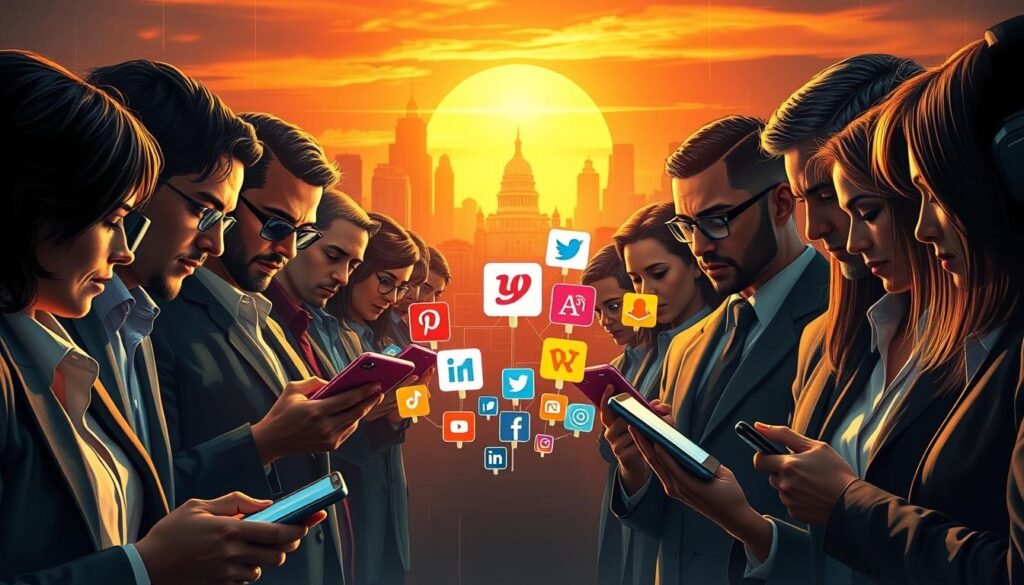
Anonymous evolved from “for the lulz” pranks into headline-grabbing pressure campaigns in the U.S. as media attention amplified each operation. New waves of users and accounts joined during flashpoint moments—especially when a compelling video or message circulated across social media.
What began as joke-fueled raids on image boards shifted into targeted DDoS attacks and document leaks that drew wide media coverage. Early raids normalized mass coordination tactics that later aimed at institutions.
In 2020, a viral masked video shared via anonews.co’s Facebook and related accounts sparked renewed interest. Short outages — for example, a Minneapolis Police Department site — and scanner hijacks were tied to these actions by media outlets.
#BlueLeaks, released on Juneteenth, exposed law-enforcement documents and social-media monitoring practices. Those days of protest brought dormant members back and pulled in new users and accounts.
Timing matters: a viral clip or controversy can catalyze rapid mobilization within the loose banner and adjacent audiences. Because anyone can claim the name without centralized approval, attribution is often unclear.
These dynamics create two linked stories: operational acts and the narratives that amplify them. That dual track shapes recurring U.S. policy tensions around police accountability, surveillance, and free speech.
For historical symbolism and related reading, see this annotated edition of a famous pamphlet at Guy Fawkes pamphlet.
Origins and Symbols: 4chan Roots, Project Chanology, and the Guy Fawkes Masks
Anonymous started as emergent culture on image boards where users coordinated playful raids that later became organized protest tactics. Project Chanology in 2008 turned a disputed Tom Cruise video into sustained online and street action, mixing DDoS, prank phone calls, and black faxes.
On sites like 4chan, a default “Anonymous” username let anyone adopt a shared identity. That seeded a leaderless model where participation, not membership, defined the group.
Project Chanology crystallized this model. After church scientology pushed to remove a leaked clip, supporters used simple web tools and local protests to push back. Media moments—plus a Fox News segment that sensationalized early actions—helped recruit new users.
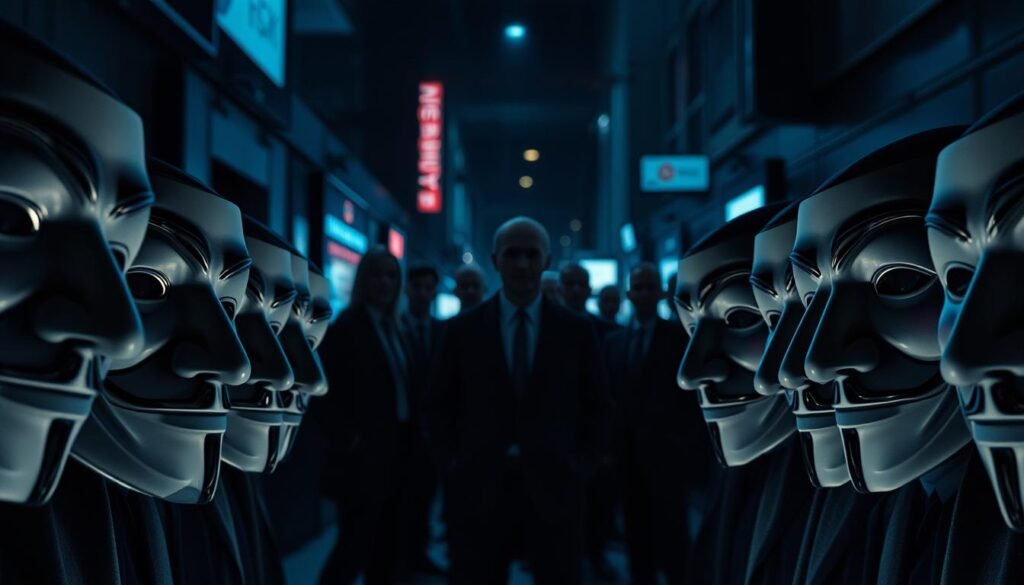
Pop culture supplied a symbol. V for Vendetta made Guy Fawkes masks an easy, portable icon. Wearing those fawkes masks at protests signaled alignment without formal ties and helped spread the banner around world.
Philosophy and Methods: Freedom of Information, Speech, and Anonymity
At its core, this banner claims a simple creed: open access to information and strong privacy for citizens. Participants say they defend freedom, promote accountability for companies and governments, and protect anonymity for ordinary users.
Guiding principles
Anonymous positions itself around freedom of information and speech, privacy, and accountability—aimed at companies and governments. Those ideas guide target selection and public messaging. Supporters frame disruptive acts as public-interest exposes rather than pure vandalism.
Tactics and tools
Methods—DDoS, leaks, social engineering—are often timed to gain media attention. Common playbook steps include recon, opportunistic entry, escalating from basic to advanced hacking, and crafting a narrative to drive coverage.
Banner over membership
Because the banner is open, anonymous members act without formal hierarchy; that helps growth but complicates attribution and security. The collective model enables rapid scaling by hacktivists while raising risks of rogue actions and OPSEC mistakes.
- Risk map: OPSEC errors, media overexposure, and poor operational security invite law-enforcement focus.
- Practical tip: Organizations should watch social narrative build-up as closely as technical indicators and consult resources like this analysis on media patterns (press framing and protest) and common attack vectors (types of cyber attacks).
Defining Operations That Shaped a Movement
A sequence of high-profile operations set a practical template for coordinated online disruption and public leaks. These incidents show how simple tools and timed messaging moved online actions into world news.
Operation Payback and the WikiLeaks moment
Operation Payback (2010) targeted PayPal, MasterCard, Visa, and Amazon after payment blocks for WikiLeaks. Volunteers used LOIC for large-scale DDoS and real-time coordination.
HBGary Federal and AntiSec
In 2011, HBGary Federal was breached and about 70,000 emails leaked. The incident named partners and triggered resignations, exposing risks for any company handling sensitive intel.
Arab Spring to LulzSec and policing campaigns
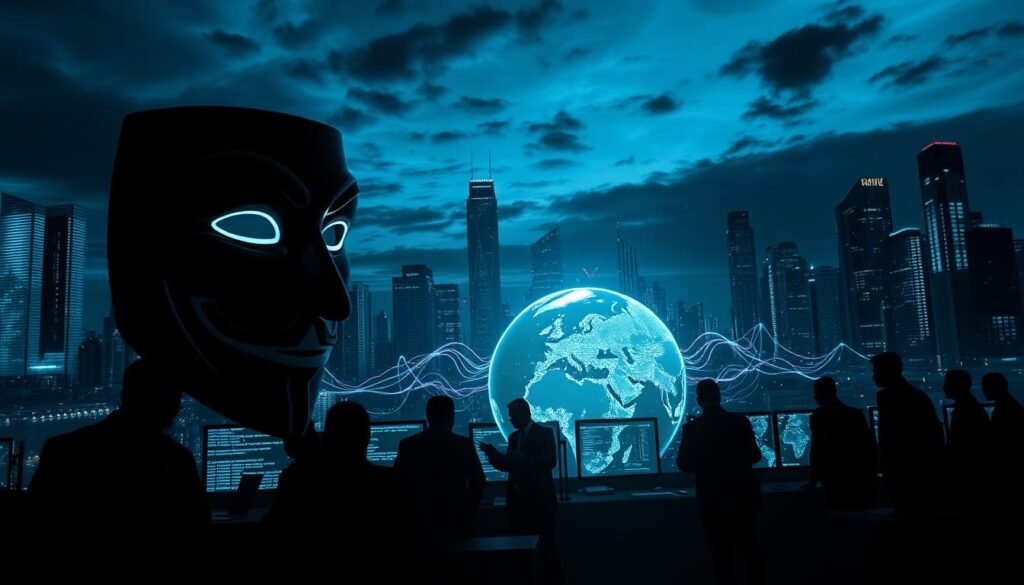
During the Arab Spring, sites in Tunisia and Egypt were attacked to bypass censorship. LulzSec then hit Sony, PBS, and others before informants led to arrests.
Later actions targeted police websites; #BlueLeaks released data from 200+ government agencies and reshaped debate on police transparency.
| Operation | Targets | Methods | Impact |
|---|---|---|---|
| Payback (2010) | Payment platforms | DDoS (LOIC) | Service outages, media focus |
| HBGary (2011) | Security company | Data leak (emails) | Resignations, partner exposure |
| #BlueLeaks (2020) | Police & government agencies | Mass data release | Public records, policy debate |
| Epik / Operation Jane (2021) | Far-right sites, service providers | Account and data exposure | Reputational harm, political fallout |
Key takeaways: Detect pre-op chatter, plan DDoS resilience, audit data pathways, and train staff to reduce risk. For a concise timeline and reporting on later Russia actions, see a recent review covering the 2022 cyber war.
Supporters vs. Critics: Media Narratives, “Cyber Robin Hood,” and Security Risks
People rally to a banner when it promises visible action while institutions seem unresponsive. Viral video moments and social media dynamics amplify that pull and can trigger rapid mobilization.
Security experts warn that vigilante actions often create collateral harm, misidentify a person, and spark disproportionate attacks on a website or network. That tension drives debate about protest, disclosure norms, and responsible behavior online.
Why instant justice resonates
A circulating video can shift passive outrage into rapid campaigns that target institutions and public-facing platforms. Quick, visible responses feel satisfying to many people who want immediate accountability.
Supporters have called this approach a “cyber Robin Hood” for taking on powerful targets. Media attention helps turn small actions into major stories and draws more participants.

Vigilantism, misattribution, and police targets
Critics — including national security officials — flagged risks such as collateral damage and wrong accusations. Ferguson showed how doxxing errors can name the wrong person and create real harm.
When a website goes offline during protests, observers may assume coastal actors carried out the attacks without confirming information. That fuels false narratives and legal exposure.
- Security takeaways: confirm facts before public claims.
- Prepare crisis communications: separate verified information from rumor.
- Monitor video-led claims: treat viral clips as leads, not proof.
- Prefer evidence-led disclosures: some hackers under the banner focus on verifiable information to reduce collateral impact.
Arrests, Informants, and Operational Security: How Law Enforcement Shaped the Collective
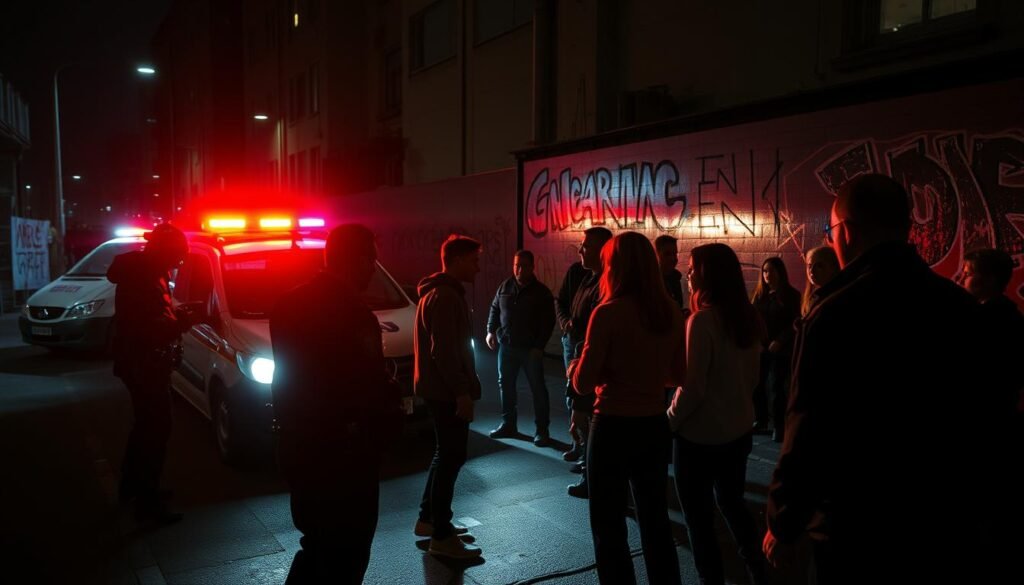
High-profile arrests and informants in the 2010s rewired how online activists coordinate and claim actions. #BlueLeaks and major prosecutions forced a move toward quieter tradecraft and better compartmentalization.
When Hector “Sabu” Monsegur cooperated with authorities, multiple arrests followed. Jeremy Hammond’s 10-year sentence and charges tied to PayPal-related operations showed that a single person can unravel networks.
That time and pressure taught members to leave fewer digital traces. Accounts were pared back. Public boasting declined. Website defacements and loud claims dropped as legal risk rose.
What changed in practice?
- Chats: IRC gave way to Signal, Wire, and Gajim for end-to-end encrypted messaging.
- Tradecraft: More compartmentalization, strict metadata hygiene, and fewer shared accounts.
- Targets: Large data and police or government caches attracted stronger legal backlash, so smaller ops became common.
Practical OPSEC tips: compartmentalize roles, minimize metadata, and know legal lines before handling sensitive data. For further technical context, learn about Axiom techniques offers related tradecraft insights.
The lasting legacy of the hacker group anonymous
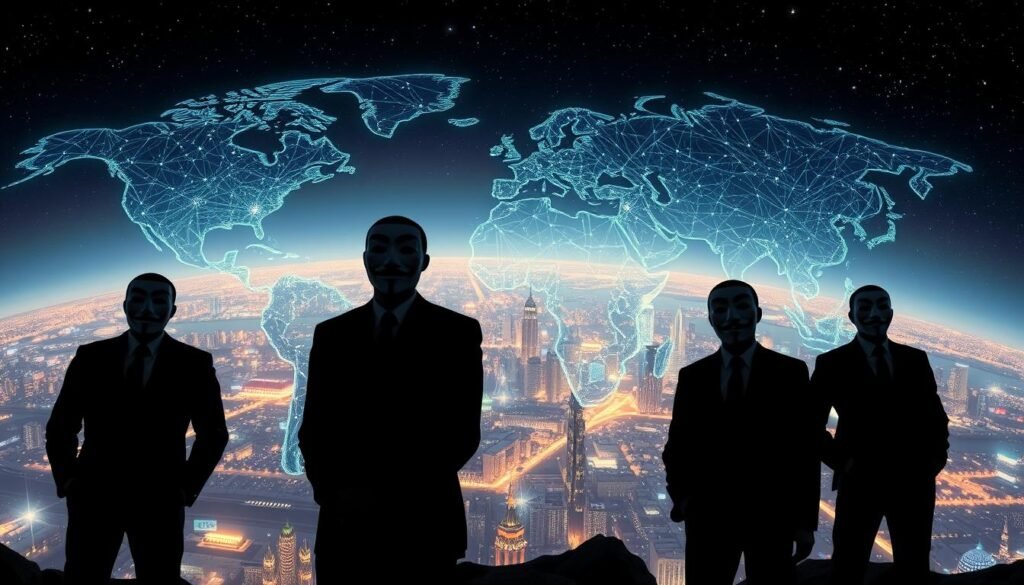
This movement left a durable playbook—viral video cues, memeable symbols, and do-it-yourself participation—that newer groups and users now copy. It pushed simple tactics and fast coordination into mainstream digital activism across the world.
Normalizing hacktivism: playbooks adopted by newer users
Playbooks—timed leaks, DDoS showmanship, and synchronized social actions—became easy to copy. Fan communities and informal collectives learned to coordinate clicks, sign-ups, and content drops.
That made rapid mobilization a repeatable series for impact.
Symbol power: masks, viral clips, and social stans
Symbols and short video moments simplify messaging and speed recruitment across languages. TikTok and K-pop stans showed how platform fandoms can repurpose tactics to influence events, from ticket floods to viral attention.
Shaping the U.S. debate on speech, privacy, and accountability
The collective’s activities helped frame conversations about police oversight and surveillance for government and platforms. Media cycles now expect timed disclosures and quick narratives that pressure institutions to respond.
For a deeper look at how these moments re-emerge in news coverage, see this review on a notable return to public operations: a detailed Atlantic piece.
- Key takeaway: Global narratives feed local actions, and those local actions loop back into media pressure.
- Watchpoint: State responses and platform rules are adapting as hacktivists professionalize.
Where Cyber Activism Goes Next: Decentralized Movements, Meme Power, and State Response
Expect banner-driven coordination to persist on social media, with memes and short video driving recruitment and tempo. Governments and companies will invest in security and legal responses—especially when attacks touch critical services, government agencies, or russian government assets.
How fandoms and creator tools fuel fast mobilization
Short-form platforms and fandom networks now act as rapid orchestration layers for protest and disruption.
A single clip or viral remix can prompt a collective of disparate users to coordinate messaging, donate bandwidth, or amplify leaks. Creator tools lower barriers so groups spin up quickly.
What governments and companies are doing
States and firms harden defenses with DDoS protection, takedown partnerships, and better logging.
- Operational moves: dedicated task forces and arrest-focused units.
- Platform ties: faster cooperation between government and platforms to curb coordinated attacks on websites and media.
- Practical prep: tabletop exercises, intel feeds on narrative build-ups, and incident playbooks.
During conflict—like the 2022 campaign against russian government websites—high-profile attacks shaped world opinion and sped policy responses.
Security takeaway: Watch social signals as closely as network telemetry to spot narrative-driven spikes before traffic hits the web edge.
Conclusion
Two clear trends bind the story: simple symbols can spark real pressure, and open banners let anyone join or claim action. That mix drove early moments like Project Chanology and still shapes modern online activism.
From Guy Fawkes masks to timed data drops, the arc runs from prank raids to coordinated hacking and targeted leaks. This pattern means organizations must harden website defenses, rehearse leak response, and prepare rapid communications.
Verify claims before public reaction—hackers and media narratives often move faster than attribution. For background reading, see a concise summary here: 10 things everyone should know, and a practical guide on securing devices: secure default credentials.
Expect new users to remix tactics on the web while governments refine legal and technical responses—this debate over freedom, speech, and anonymity will stay part of the conversation for years.
