
Picture this: You’re halfway through the latest episode of your favorite show 🍿, popcorn in hand, when suddenly—ERROR 404. Your Netflix account is locked. Congratulations, you’ve just met your first cyberattack. 🎉
Cyberattacks are like digital pickpockets. They don’t discriminate—whether it’s your grandma’s email or a Fortune 500 company’s database, everyone’s a target. These threats sneak into your life, stealing data, money, and peace of mind. 💻
From phishing scams to ransomware, these attacks come in all shapes and sizes. Remember your cousin Dave? He lost $500 to that “Nigerian prince” email. Yep, that’s a cyberattack too. 🕵️♂️
In this guide, we’ll break down 13 methods hackers use to dismantle firewalls and wreak havoc. Plus, we’ll share key strategies to protect yourself. Because in 2024, cybersecurity isn’t just a tech problem—it’s a life skill. 🔒
Key Takeaways
- Cyberattacks target everyone, from individuals to large companies.
- They can steal data, money, and even lock you out of your accounts.
- Phishing scams are a common method used by hackers.
- Understanding these threats is crucial for staying safe online.
- Prevention strategies can help you avoid becoming a victim.
Introduction to Cyber Attacks
Your computer network is under siege, and you didn’t even see it coming. Cyberattacks are like digital home invasions—except instead of stealing your TV, they’re after your selfies, credit cards, and even your crypto wallet. 📸💳
These attacks have three main goals: steal your data, cause chaos, or spy on you. Think ransomware locking hospitals or corporate espionage stealing trade secrets. The stakes are high, and the consequences are real.

Here’s a shocking stat: Every 39 seconds, someone gets hacked. That’s faster than TikTok trends die. ⏱️ And it’s not just big companies—hackers don’t discriminate. Your food truck’s POS system? Juicier than you think.
In 2023 alone, cyberattacks cost businesses a staggering $8 trillion globally. Whether you’re an individual or a small business, security should be your top priority. Because in today’s digital world, staying safe isn’t optional—it’s essential. 🔒
1. Denial-of-Service (DoS) and Distributed Denial-of-Service (DDoS) Attacks
Imagine your favorite app crashing because of a flood of fake traffic. That’s the essence of a Denial-of-Service (DoS) attack. Now, picture 10,000 bots ordering pineapple pizza simultaneously 🍕. That’s a Distributed Denial-of-Service (DDoS) attack. Both aim to overwhelm a network or service, but the scale is vastly different.

Here’s how it works: Hackers flood servers with fake traffic until they tap out like a Fortnite noob. The goal? To disrupt operations and make the service unavailable. It’s like a digital mob shutting down a store.
“When AWS went down in 2020, half your favorite apps probably crashed—that’s DDoS baby!”
In 2020, AWS faced a record-breaking 2.3 Tbps DDoS attack. This massive traffic surge took down countless apps and websites. It’s a stark reminder of how vulnerable our digital infrastructure can be.
Prevention Tips
- Use next-gen firewalls that act like bouncers, spotting bot traffic faster than you spot fake Gucci bags.
- Implement rate limiting to control the flow of traffic.
- Regularly monitor your network for unusual activity.
| DoS | DDoS |
|---|---|
| Single source of attack | Multiple sources (bots) |
| Easier to mitigate | Harder to stop due to scale |
| Targets smaller operations | Can take down large services |
Understanding these attacks is the first step to protecting your network. With the right tools and strategies, you can keep your digital doors open and your data safe. 🔒
2. Man-in-the-Middle (MITM) Attacks
Ever felt like someone’s secretly reading your texts? That’s MITM in action. 🕵️♂️ These attacks happen when hackers intercept your sensitive data as it travels between you and a website or app. It’s like eavesdropping on DMs between you and your BFF—except the hacker is the unwanted third wheel. 💬
Public WiFi is a hacker’s favorite playground. That “Free Airport WiFi” might just be hacker Hank stealing your login credentials. ✈️ According to CrowdStrike, 35% of public WiFi networks have vulnerabilities that make them easy targets for MITM attacks. So, think twice before connecting to that unsecured network.
How to Stay Safe
Don’t let hackers ruin your digital life. Here are some security measures to keep your access secure:
- VPNs: Your digital invisibility cloak against WiFi snoopers. 🔒
- HTTPS Everywhere: This browser extension acts like an SSL bodyguard, ensuring your connection is encrypted.
- Read the fine print: Never click “I agree” on public networks without reading the terms. You might be consenting to data harvesting!
| Risk | Solution |
|---|---|
| Public WiFi snooping | Use a VPN |
| Unencrypted connections | Enable HTTPS Everywhere |
| Data harvesting | Read terms before agreeing |
For more in-depth insights, check out this guide on MITM attacks. Stay vigilant, and keep your digital life secure! 🔒
3. Phishing Attacks
Ever opened an email that felt a little… off? 🕵️♂️ Phishing attacks are the digital con artist’s favorite trick, designed to trick you into handing over sensitive information. Whether it’s your email, social media accounts, or even your bank details, these scams are everywhere. In 2023, 76% of businesses reported falling victim to phishing attempts. Yikes! 😬
Phishing Variants You Need to Know
Not all phishing scams are created equal. Here’s a breakdown of the sneakiest ones:
- Spear phishing: Personalized attacks using your LinkedIn profile like a creepy ex. 👔
- Whale phishing: Targeting CEOs because hacking the boss’s inbox is the ultimate jackpot. 🐳
- Smishing: Text scams promising free PS5s—because who doesn’t want “free” malware? 📱
Red Flags to Watch For
Don’t get hooked! Here’s how to spot a phishing attempt:
- Urgency tactics: “Your account expires in 5 minutes!” ⏳
- Mismatched sender addresses: A PayPal email from a Gmail account? Suspicious. 🚩
- Too-good-to-be-true offers: Yes, Elon Musk IS giving away Bitcoin. Sure. 🙄
For more tips on staying safe, check out this guide on phishing attacks. Stay sharp, and don’t let hackers steal data from under your nose! 🔒
4. Ransomware Attacks
Imagine waking up to find all your files locked with a ransom note. 💻🔒 That’s the chilling reality of ransomware attacks. These malicious software programs encrypt your data, holding it hostage until you pay up. In 2023, the average ransom payment hit a staggering $1.5 million. Yep, hackers are cashing in big time. 💰

Remember the Colonial Pipeline incident? ⛽ Hackers locked the pipeline controls, causing gas stations across the East Coast to run dry. It was a wake-up call for security measures worldwide. But wait, it gets worse. Now, hackers use double extortion. They steal your data AND lock your systems. Talk about adding insult to injury. 😤
Preventing Ransomware
Don’t let hackers hold your digital life hostage. Here’s your prevention toolkit:
- 3-2-1 backup rule: Keep 3 copies of your data, in 2 formats, with 1 offline. It’s your digital life raft. 💾
- Next-gen antivirus: Spots ransomware patterns like a bloodhound. 🐕
- Employee training games: Because nobody wants to be the coworker who clicked “virus.exe.” 🎮
Stay one step ahead of hackers. With the right tools and strategies, you can keep your data safe and your systems secure. 🔒
5. Password Attacks
Think about the last time you logged into your favorite app—what if someone else did too? 🕵️♂️ Password attacks are one of the most common ways attackers gain access to your credentials. According to Verizon, 80% of hacking breaches involve brute force or stolen passwords. Yikes! 😬
Common Password Fails
Let’s face it: we’ve all been guilty of some password sins. Here are the top mistakes that make you hacker bait:
- Using ‘password123’: Congratulations, you’re practically inviting hackers to the party. 🎣
- Reusing passwords across sites: It’s like using the same key for your house, car, and bank vault. 🔑
Protection Strategies
Don’t let hackers ruin your digital life. Here’s how to keep your credentials safe:
- Password managers: Your digital vault for 100+ uncrackable passwords. 🗝️
- Biometric authentication: Because hackers can’t duplicate your face (yet). 😎
- Multi-factor authentication: The bouncer that checks ID twice before entry. 🔒
By implementing these security measures, you can protect your user accounts and keep attackers at bay. Stay safe, and remember: your password is your first line of defense! 🛡️
6. SQL Injection Attacks
Ever wondered how hackers sneak into databases like digital ninjas? 🕵️♂️ Welcome to the world of SQL injection, where malicious code is injected into web applications to manipulate databases. It’s like a drive-thru where customers can rewrite the menu—chaos ensues. 🍔
According to Akamai, SQL injection represents 65% of web app attacks. One infamous example? Hackers stole 130 million credit cards from Heartland Payment Systems using this method. 💳 Yep, it’s that serious.
Mitigating SQL Injection Risks
Don’t let hackers turn your database into their playground. Here’s how to protect your data:
- Parameterized queries: Think of it as a bouncer checking IDs before database entry. 🔒
- Web application firewalls: These filter sketchy SQL commands like a spam folder on steroids. 🛡️
- Regular penetration testing: Hire ethical hackers to break your systems before the bad guys do. 🎯
By addressing these vulnerabilities, you can keep your databases secure and your data out of hackers’ hands. Stay vigilant, and don’t let SQL injection ruin your digital life! 🔒
7. URL Interpretation Attacks
Ever clicked a link and felt like you just opened Pandora’s box? 🕳️ That’s the essence of a URL Interpretation Attack. Hackers manipulate URLs to gain unauthorized access to your web systems. It’s like handing them the keys to your digital house—except they’re not here to water your plants. 🌱

Here’s how it works: A hacker tries /wp-admin, guesses the password is “admin,” and boom—they own your blog. 📝 Scary, right? With 60% of WordPress sites vulnerable to these attacks, it’s time to tighten your security game.
Securing Against URL Interpretation
Don’t let hackers turn your URLs into their playground. Here’s your protection toolkit:
- Disable directory indexing: Stop serving site maps to hackers. 🗺️
- Rate limit login attempts: Lock out brute-force bots after 5 tries. 🔐
- Use CAPTCHA on admin portals: Because robots suck at identifying buses. 🚌
By implementing these strategies, you can keep your system secure and your web presence hacker-free. Stay vigilant, and don’t let URL interpretation attacks ruin your digital life! 🔒
8. DNS Spoofing
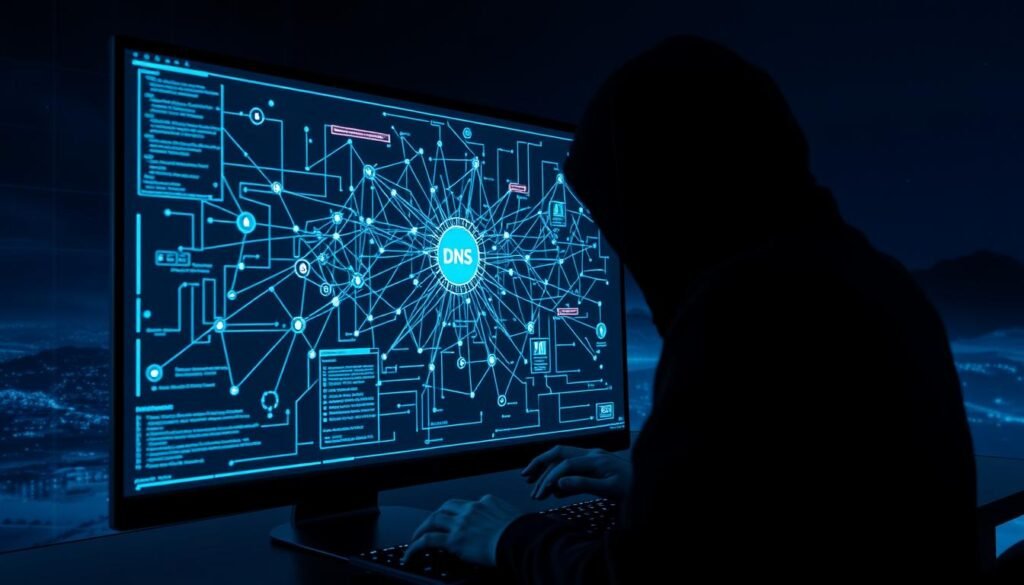
Ever typed a URL and ended up somewhere you didn’t expect? 🛑 That’s DNS spoofing in action. Hackers redirect your computer network traffic to fake websites, like road signs leading you to a fake bank instead of the real one. Sneaky, right?
Here’s how it works: Attackers poison the DNS cache, replacing legitimate directions with hacker-controlled ones. It’s like swapping Google Maps for a sketchy back-alley guide. 🗺️ In 2023, 34% of organizations reported experiencing DNS spoofing. Yikes!
Preventing DNS Spoofing
Don’t let hackers hijack your internet traffic. Here’s your prevention toolkit:
- DNSSEC: Think of it as a notary public for domain names. It verifies that the site you’re visiting is legit. 📜
- Regular DNS audits: Spring cleaning for your network’s address book. Keep it tidy and accurate. 🧹
- Employee training: Teach your team to spot misspelled domains like Faceb00k.com. 👀
By implementing these security measures, you can protect your data and keep your computer network safe from these sneaky attacks. Stay vigilant, and don’t let hackers reroute your digital life! 🔒
9. Session Hijacking
Your cookies aren’t just for snacks—they’re a hacker’s favorite treat. 🍪 Session hijacking happens when attackers steal your session cookies to impersonate you online. It’s like someone sneaking into your Netflix account to watch Stranger Things as you. Creepy, right?
According to IBM, session hijacking accounts for 28% of MITM attacks. Hackers exploit weak network connections or malicious software to gain unauthorized access. Whether you’re a casual user or a business, this threat is real and disruptive.
Protecting Against Session Hijacking
Don’t let hackers crash your digital party. Here’s how to keep your sessions secure:
- HTTPS Everywhere: Encrypt your data like Fort Knox. 🏰 This ensures hackers can’t intercept your session.
- Session Timeout Policies: Unlimited browsing equals hacker happy hour. Set time limits to reduce risks.
- VPNs for Remote Work: Create an encrypted tunnel through the hacker jungle. 🌐 It’s your digital shield against snoopers.
By implementing these strategies, you can protect your access and keep your network secure. Stay vigilant, and don’t let session hijacking ruin your online experience! 🔒
10. Brute Force Attacks
Brute force attacks are like a digital battering ram—relentless and hard to stop. These attackers use trial and error to crack your credentials, often targeting weak passwords. According to Microsoft, 23% of brute force attacks focus on cloud services. Yep, your cloud storage isn’t as safe as you think. ☁️
How Fast Can Hackers Crack Your Password?
Here’s the scary truth: password-cracking speeds are faster than you’d expect. Check this out:
- 4-character password: 0.0002 seconds ⚡
- 12-character with symbols: 34,000 years 🦖
Moral of the story? Length and complexity matter. A lot.
Defending Against Brute Force Attacks
Don’t let hackers turn your accounts into their playground. Here are some security measures to protect your credentials:
- Account lockouts: After 5 failed attempts, hackers are out of luck. 🔒
- IP blocking: Suspicious login attempts from North Korea? Blocked. 🇰🇵
- Password complexity rules: Mix upper/lowercase, numbers, and symbols like a secret recipe. 🍳
By addressing these vulnerabilities, you can keep your accounts secure and your data out of hackers’ hands. Stay vigilant, and don’t let brute force attacks ruin your digital life! 🔒
11. Web Attacks
Your website is under siege, and you didn’t even notice. 🕵️♂️ Web attacks are like digital ninjas—silent but deadly. They exploit vulnerabilities in your system to inject malicious code or steal data. According to OWASP, 75% of websites are vulnerable to XSS attacks. Yikes! 😬
Common Web Attack Techniques
Hackers have a bag of tricks to target your site. Here’s a breakdown of the sneakiest ones:
- Cross-site scripting (XSS): Injecting malicious scripts like digital poison. ☠️
- CSRF: Making your browser do shady stuff without consent. 🕶️
- Clickjacking: Hidden buttons that steal your clicks—the digital pickpocket. 🖱️
Protection Hacks
Don’t let hackers turn your site into their playground. Here’s how to keep your system secure:
- Content Security Policy (CSP): The bouncer for your website’s scripts. 🛡️
- Regular vulnerability scanning: Find holes before hackers do. 🔍
By implementing these strategies, you can protect your data and keep your web presence hacker-free. Stay vigilant, and don’t let web attacks ruin your digital life! 🔒
12. Insider Threats
Sometimes, the biggest threat comes from within. Insider threats are like the Trojan horse of cybersecurity—dangerous because they’re already inside your organizations. In 2023, 60% of companies reported experiencing these risks, according to Ponemon. Yep, it’s not just hackers in hoodies you need to worry about. 🕵️♂️
Meet the Insiders
Not all insiders are created equal. Here’s a quick profile of the usual suspects:
- Malicious Mary: The disgruntled employee selling data to the highest bidder. 👩💼
- Careless Carl: The guy who accidentally leaks passwords on public Slack. 😅
Your Prevention Playbook
Don’t let insiders ruin your day. Here’s how to keep your data safe:
- Zero Trust Architecture: Trust no one, verify everyone. 🕵️♂️ This ensures every access request is scrutinized.
- User Behavior Analytics: Spot when Karen in accounting suddenly accesses R&D files. 📊
- Data Loss Prevention (DLP) Tools: The digital leash for sensitive info. 🛡️
| Insider Type | Risk | Solution |
|---|---|---|
| Malicious Mary | Intentional data theft | Zero Trust Architecture |
| Careless Carl | Accidental leaks | DLP Tools |
By addressing these risks, you can protect your data and keep your organizations secure. Stay vigilant, and don’t let insider threats sneak up on you! 🔒
13. Emerging Cyber Threats
The digital world is evolving, and so are the dangers lurking within it. Hackers are no longer just after your passwords—they’re using advanced tech to exploit vulnerabilities you didn’t even know existed. In 2023, AI-powered attacks surged by 135%, according to Darktrace. Yep, the future of hacking is here, and it’s scarier than ever. 😱
Futuristic Threats to Watch Out For
Here’s a sneak peek at the next-gen threats reshaping cybersecurity:
- Deepfake phishing: Imagine getting a video call from your “CEO” demanding a wire transfer. 🎭 These AI-generated impersonations are becoming alarmingly realistic.
- IoT botnets: Your smart fridge could be attacking power grids. 🧊⚡ Hackers are turning everyday devices into weapons.
- Quantum computing: The encryption protecting your data today might be obsolete tomorrow. 🔮 Future-proofing starts now.
How to Stay Ahead of the Curve
Don’t let hackers outsmart you. Here’s your defense toolkit:
- AI security tools: These learn faster than Skynet, spotting vulnerabilities before hackers do. 🤖
- Bug bounty programs: Pay ethical hackers to break your systems (so the bad guys can’t). 💰
For more insights on evolving threats, check out this guide on types of cyber attacks. Stay vigilant, and keep your digital life secure! 🔒
Conclusion
You’ve just leveled up your cyber knowledge—now what? From phishing emails to AI-driven attacks, you’re now cyber street-smart. 🧠 But knowledge is only half the battle. Action is your best defense.
Here’s your to-do list: Update your passwords—yes, right now! 🔑 Enable multi-factor authentication everywhere. Your accounts deserve bodyguards. 💂 Share this guide with friends. Because friends don’t let friends get hacked. 🤝
Cybercriminals aren’t slowing down, but neither are we. Stay vigilant, stay secure, and keep your data safe. 🛡️ With the right security measures, you can outsmart even the sneakiest attacks. Let’s make cybersecurity a habit, not an afterthought.
