
Can one focused month change your career trajectory?
This case study shows a disciplined path that turns targeted outreach on the platform into real opportunities. I ran a 30-day sprint with one clear goal: translate targeted messages into interviews and an actual offer. The experiment leaned on a complete, trustworthy profile and daily, warm actions.
Over one billion users live on this professional platform, so the potential reach is vast. That scale raises noise, though; you must be human, clear, and consistent to rise above it.
Lead with a strong profile—professional headshot, crisp headline, and detailed experience—so curious people convert into conversations. Personal notes beat generic invites, and short follow-ups keep momentum without feeling spammy.
Expect friction, measure responses, and focus on results. When you treat networking as a repeatable system, opportunities surface faster than cold applications.
Key Takeaways
- Define one clear goal for a 30-day outreach sprint.
- Optimize your profile so visitors stay and engage.
- Personalized notes and daily warm actions build trust.
- Track responses, interviews, and referrals as primary results.
- Discipline and empathy beat random outreach in business contexts.
The 30-Day case study setup: constraints, assets, and success criteria
I started the month by recording profile health, network composition, and a narrow role target. That baseline turned tactics into measurable steps and kept outreach focused on people who could influence outcomes.

- Profile completeness, headline relevance, endorsements, recommendations.
- Experience shows outcomes, not just tasks.
- Network mapped by alumni, past colleagues, and industry peers.
Defining success and signals
Success meant a written commitment for a role. Leading signals were connection acceptances, replies to message sequences, recruiter screens, and hiring-manager interviews.
| Stage | Metric | Example Target |
|---|---|---|
| Outreach | Acceptance rate | 35%+ |
| Engagement | Reply rate | 20%+ |
| Assessment | Interviews per week | 1–2 |
Use boolean operators (AND, OR, NOT) in search to target decision-makers by seniority and function. Keep a light CRM with contact dates and next actions. Pressure-test messages with a trusted friend for crisp results and better business reputation.
Optimize your LinkedIn profile to convert views into interviews
Make each section of your profile earn trust and show impact. Focus on clarity, measurable results, and visible proof so others contact you with confidence.
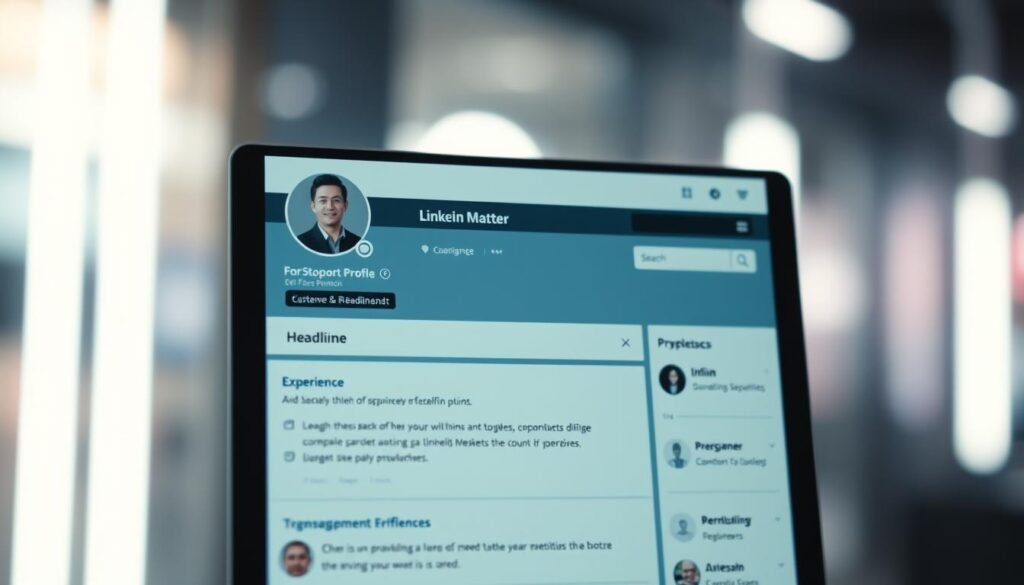
Polish the essentials: photo, headline, summary, and experience
Start with a professional headshot sized 400 x 400 px. A clear photo passes the three-second skim test and signals care.
Write an attention-grabbing headline with role-aligned keywords. Complete your summary as a tight executive brief: strengths, problems solved, and outcomes.
Frame experience as a portfolio, not a resume dump. Lead with metrics and business impact so company leaders see value fast.
Stack social proof and feature assets
Request two fresh recommendations—one manager, one peer—and add endorsements that validate your expertise. Feature one high-signal post, a talk, or a case study.
| Element | Quick action | Why it matters |
|---|---|---|
| Photo | Upload 400×400 headshot | Builds instant trust |
| Headline | Use role keywords | Improves recruiter matches |
| Experience | Add metrics & outcomes | Shows measurable impact |
| Featured | Pin one case study | Validates expertise |
The 30-day roadmap: daily actions from first message to signed offer
Plan each day of the 30-day sprint around small, measurable actions that compound into interviews and offers. This roadmap breaks the month into clear steps and keeps outreach human, repeatable, and trackable.

Week one: profile completion, target list building, and first personalized requests
Finalize your profile and build a target list of 50–100 people across hiring managers and recruiters. Send the first batch of personalized messages with context and a single clear ask.
Week two: thoughtful follow-ups, value-led messages, and recruiter outreach
Follow up promptly after acceptances. Reference their recent posts, share a concise insight, and ask one specific question that respects work schedules.
Week three: groups, events, and warm introductions to hiring managers
Participate in relevant groups and events before connecting. Engage organizers and speakers with a short takeaway, then request warm introductions when value is clear.
Week four: interview prep via content signals, referrals, and closing the loop
Prepare using public signals like funding or product launches. Request referrals after you’ve added value and close open threads quickly to keep momentum toward conversion.
Daily 20-minute habit stack: comments, DMs, and pipeline hygiene
Ten minutes of commenting on visible posts, five minutes of DMs to nurture connections, and five minutes of pipeline hygiene prevents high-quality opportunities from slipping.
Repeat the cycle, log every touch in a light tracker, and review outcomes at month end. For planning templates and recruiter tactics see this building a networking plan during job.
Finding the right people: searches, groups, and events that accelerate results
Finding the right people begins with precise queries and respectful engagement in small communities. Use focused searches, participate in groups, and attend events to meet decision-makers with intent.

Advanced searches that pinpoint decision-makers
Build search strings that combine title, function, and industry, then filter by region. Use Boolean operators like AND, OR, NOT to remove noise. For example: “product AND manager NOT consultant”.
Use “People You May Know” and mutuals for quality connections
Mutual schools, past companies, and shared groups raise relevance. “People You May Know” works as a built-in engine for warmer introductions and higher acceptance rates.
Join niche groups and contribute before you connect
Treat each group as a small community. Learn norms, post thoughtful comments, and then reach out with one line of specificity that shows you paid attention.
Leverage events: meet attendees, organizers, and speakers
RSVP, engage in session chat, and take one clear note you can reference later. A short follow-up that cites the session opens faster doors than a cold message.
“Personalized notes based on commonalities increase acceptance rates and start better conversations.”
- Build smart search strings and filter by region.
- Use mutual connections for warm intros rather than mass invites.
- Contribute in groups before sending connection requests.
- Follow a simple event workflow: attend, note, and reference.
| Method | Action | Why it works |
|---|---|---|
| Advanced searches | Combine title + function + industry | Pinpoints likely decision-makers |
| People You May Know | Prior schools, companies, shared groups | Increases acceptance quality |
| Groups | Share value, then connect | Builds credibility before outreach |
| Events | Engage, note, follow up | Creates timely, topical openings |
Segment companies by stage and match your outreach to their context. A growing company often welcomes concise notes that show clear fit. Keep short notes in your tracker so each time you connect people into your pipeline, future messages stay relevant.
Content and engagement that open doors without spamming
A steady content rhythm proves expertise faster than sporadic viral posts. Publish clear lessons and respond quickly when people engage. These habits make your profile a reliable place for business conversations.

Post with purpose: a simple cadence that showcases relevant expertise
Share one or two posts each week that teach a skill or show an outcome. Use a light framework: problem, approach, outcome. Add one short example readers can try.
Engage others: comments, shares, tags, and thoughtful mentions
Comment first on posts by people in your network. Add context, not compliments, and tag relevant connections sparingly.
Share articles with a 2–3 sentence take so others see your point of view and find value fast.
Smart follow-ups: reference posts, ask for perspectives, and move to call
When someone replies, answer within 24 hours and add a small resource. Reference their post in a brief message and ask one focused question that advances the connection.
| Action | Frequency | Result |
|---|---|---|
| Publish posts | 1–2 per week | Builds searchable expertise |
| Comment on others | Daily (10 minutes) | Earns attention & reciprocity |
| Follow-up messages | Within 24 hours | Moves conversations toward calls |
| Track topic performance | Weekly review | Guide future posts |
Outreach etiquette: how to message, what to avoid, and using personality
A brief, well-targeted message can turn a single connection into a sustained professional relationship. Good outreach proves you read the person’s profile and gives a clear reason for reaching out. That simple discipline raises reply rates with recruiters and leaders.

Personalized connection notes that earn replies from recruiters and leaders
Open with one short line that references a recent post, role, or shared group. State a clear reason for the connection and ask one easy question that invites a reply.
Keep messages tight: three to five sentences, one ask, and one next step. Follow up within 24–48 hours after acceptance with a thank-you and one useful link or insight.
What not to do: generic blasts, immediate pitches, and automation overuse
Avoid mass messages, instant pitches after acceptance, and heavy automation that treats people like checklist items. These ways erode trust and hurt future outreach.
Don’t lead with requests for favors or long proposals. Name common ground first—shared alma mater, group, or event—so the connect feels natural and reciprocal.
Tone that works: professional, warm, and human
Use a light professional warmth and a short example from your work when relevant. That builds rapport without oversharing or being casual.
“Treat each person like a future colleague, not a target to close.”
- Open with proof you read their profile and state one clear reason to connect.
- Ask one easy question and step back; brevity respects busy schedules.
- Follow up quickly with value—an article, insight, or thank-you.
| Action | Why it works | Example opening | Timing |
|---|---|---|---|
| Personalized note | Shows genuine interest | “Saw your talk on secure design — curious about your testing approach.” | Send with request |
| Single follow-up question | Creates reply path | “Would you share one tool you rely on for threat modeling?” | 24–48 hours after accept |
| Value follow-up | Builds rapport | “Thanks — here’s a short article that aligns with your work.” | Within 48 hours |
Measure what matters and iterate fast
Track a handful of clear metrics each week and let the data steer your next moves. Simple, repeated measurement uncovers what produces real opportunities and where effort wastes time.

Core KPIs you should watch
Define five weekly essentials: profile views, connection accept rates, reply rates, interviews scheduled, and offers extended. These give rapid, actionable information about what works.
Refine ICP, keywords, and scripts from campaign analytics
Compare note types and scripts by recipient type — recruiter versus hiring manager — and double down on messages that produce interviews and career momentum. Watch conversation quality, not just counts. A few deep threads often beat dozens of surface replies from others.
- Refresh headlines and summary keywords if views stall; small wording changes can boost visibility on the platform.
- Tighten ICP by industry, team size, and product type as data arrives so outreach becomes more precise.
- Log post topics that attracted hiring leaders and adapt your content calendar for business growth and relevant opportunities.
- Respond to every substantive comment and DM — engagement compounds and signals you are dependable.
“A weekly review of what moved, what stalled, and what you’ll stop, start, and continue creates fast, focused improvement.”
Keep using linkedin intentionally: focused outreach, measured follow-up, and consistent value signal you are the kind of colleague companies want. Maintain professional follow-through and iterate weekly; iteration beats intensity over a month.
Conclusion
A short, repeatable routine aimed at the right people produces measurable results fast. Keep your profile sharp, your messages human, and your tracking simple so momentum compounds.
Focus on fundamentals: a professional photo, clear summary, measurable experience, and a headline that spells out value.
Use targeted search, active participation in groups and events, and respectful follow-ups. Personalize every connection with one clear reason and one next step. Keep a simple list of outreach and replies so no person falls through the cracks as interviews progress.
When an offer arrives, close the loop with your new and existing connections. Those relationships are the lasting return on this thirty-day sprint.
