
Organizations hire ethical hackers to find what criminals might exploit tomorrow. This walkthrough shows how a lead tester structures tool usage across a full engagement — from first packet to final report — while staying inside scope, protecting data, and leaving a clear audit trail. Every technique below assumes written authorization and lab or explicitly approved targets only.
Article Summary:
- Clear daily flow: scope → recon → enum → exploit validation → post-ex checks → reporting
- Ten anchor tools mapped to stages with switch criteria and evidence habits
- Safe command patterns and rate-limits to avoid noise and outages
- Template-driven checks that reduce false positives and speed triage
- AD attack-path mapping that prioritizes real, fixable routes
- Credential exposure testing with strict chain-of-custody controls
- Packet captures to debug auth, TLS, and odd failures
- A simple severity model to rank impact and guide remediation
- Reporting blueprint that teams can act on the same day
What Does a Typical Pen-Test Day Look Like From Start to Finish?
A productive day starts with the rules of engagement and a time-boxed pipeline: scoped recon, targeted enumeration, careful exploit validation, post-exploitation checks, and evidence capture. The handoff is a report that ranks risk by impact and ease of fix, with minimal repro steps and verified proof.
Daily flow
- Kickoff & scope controls
- Allowed targets, time windows, accounts, and unsafe actions explicitly listed.
- Logging plan. Evidence storage folder structure. Hashes for key artifacts.
- Recon → enumeration
- Map live hosts and services.
- Web discovery, API mapping, technology fingerprinting.
- Exploit validation under scope
- Prefer non-destructive checks and proof-of-concepts that stop before damage.
- Collect only what is needed to prove risk.
- Post-ex checks
- Lateral movement conditions. Least-touch verification when permitted.
- Always preserve incident response value for the blue team.
- Reporting
- Rank by exploitability, blast radius, and fix effort.
- Include logs, timestamps, and commands sufficient to reproduce in a test window.

Which 10 Tools Anchor the Daily Workflow?
The core stack covers each stage: Nmap (network surface), ffuf (web discovery), Burp Suite (web and API testing), Nuclei (template-driven checks), Metasploit (controlled exploit validation), Impacket (Windows protocol operations), Responder (hash capture in approved tests), BloodHound (AD path mapping), Hashcat (policy verification with test hashes), and Wireshark (packet-level clarity).
Tool map and switch criteria
| Tool | Primary Stage | Typical Command Pattern* | Key Output | When to Switch/Stop |
|---|---|---|---|---|
| Nmap | Recon, enum | nmap -Pn -sV -sC -p- TARGET | Live hosts, ports, versions, NSE hints | When ports and versions are stable across rescan |
| ffuf | Web discovery | ffuf -w WORDLIST -u https://scope.example/FUZZ -mc 200,302 | Hidden dirs, files, vhosts | Stop when hit rate drops and size filters stabilize |
| Burp Suite | Web/API testing | Proxy, Repeater, Intruder in-scope only | Param issues, auth flaws, IDORs | Shift to manual review when automation repeats noise |
| Nuclei | Quick checks | nuclei -u https://scope.example -severity medium,high,critical | Template-verified misconfigs/CVEs | Pause on intrusive templates unless approved |
| Metasploit | Exploit validation | Select module → safe payload | Proof of exploitability, controlled sessions | If service unstable or scope forbids exploitation |
| Impacket | Auth ops | secretsdump, wmiexec, WinRM helpers | Credential exposure indicators | Only with written approval and test accounts |
| Responder | AD hash capture | LLMNR/NBT-NS poisoning in lab or approved windows | Captured challenges for defense validation | Disable if collisions or noise observed |
| BloodHound | AD path analysis | SharpHound collection and graphing | Shortest real escalation paths | Stop when actionable paths identified |
| Hashcat | Password policy test | Masks, rules on test hashes | Crack stats for policy tuning | Stop at defined time or success thresholds |
| Wireshark | Packet clarity | Live or file capture with filters | Auth/TLS handshakes, errors | Stop after root cause is confirmed |
*Examples shown for authorized testing only. Avoid intrusive options unless explicitly approved.
How Does Nmap Map the Network Fast Without Missing Context?
Nmap identifies live hosts, services, and versions, then augments with safe script scans to surface misconfigurations. The goal is a precise, reproducible attack surface that downstream tools can consume.
Practical use
- Discovery first: ICMP may be blocked. Prefer
-Pnwith targeted TCP SYN on common ranges when needed. - Service and versioning:
-sV -sCyields protocol clues and safe NSE scripts. - Full port sweeps: Use
-p-in time-boxed windows, then rescan interesting hosts with--top-portsto confirm. - Evidence habits: Save XML and grepable output. Diff results to avoid chasing transient states.

How Is ffuf Used to Uncover Hidden Paths and Virtual Hosts?
ffuf brute-forces paths, files, parameters, and virtual hosts at speed while filtering by status, size, or words. Tight wordlists and filters reduce noise and reveal real attack paths.
Practical use
- Wordlists: Start small to profile response shapes, then expand. Track length and words to filter reflections.
- Throttling: Respect rate limits to avoid alert storms.
- Filters: Combine
-mcor-fcwith-fsto cut duplicates. - Vhosts: Point to IP with a
Host:header list to surface shadow apps. - Evidence: Store JSON and screenshots of verified hits.
Where Does Burp Suite Fit for Web & API Testing?
Burp sits in the middle, capturing requests for manual review and controlled automation. Repeater confirms issues, Intruder explores inputs, and Comparer validates fixes before retest.
Practical use
- Proxy & scope: Import CA, define scope, block out-of-scope hosts.
- Repeater: Single-request surgical tests for auth, IDORs, and logic.
- Intruder: Payload positions with throttling. Use only on approved endpoints.
- APIs: Check auth flows, rate limits, and object access with clean test data.
“Good Burp habits are mostly scoping, throttling, and taking notes. The bugs surface when noise drops.”
Why Use Nuclei for Fast, Template-Driven Vulnerability Checks?
Nuclei runs curated templates that confirm misconfigurations and known CVEs quickly. Severity filters and non-intrusive modes keep scans safe and actionable.
Practical use
- Template hygiene: Pin versions and review template code.
- Severity focus: Start with medium and up.
- Custom templates: Encode recurring org patterns for future speed.
- Outputs: Keep JSON with request-response extracts for proof.
When Does Metasploit Earn Its Keep in Exploit Validation?
Metasploit streamlines module selection and post-ex checks when exploitation is explicitly allowed. It shortens validation but must be used conservatively to avoid instability.
Practical use
- Module choice: Prefer check methods and safe payloads.
- Sessions: Limit count. Label by host and time.
- Pivoting: Only in isolated test windows with change approvals.
- Logging: Record commands and outcomes. Stop on instability.
How Do Impacket Tools Enable Authenticated Actions and Relays?
Impacket’s SMB, LDAP, and WinRM helpers validate exposure and lateral movement conditions with approved accounts. Relay tests require strict preconditions and tight blue-team coordination.
Practical use
- Helpers:
secretsdumpfor offline analysis of exposures,wmiexecor WinRM helpers for command execution in test windows. - Relays: Only with written approval. Respect SMB signing and EDR rules.
- Artifacts: Store logs, do not persist credentials beyond retention policy.
What Does Responder Do in AD Environments?
Responder can coerce name-resolution traffic to capture or relay hashes in a lab or tightly controlled window. Many enterprises disable LLMNR/NBT-NS, so use it to validate defenses, not to surprise defenders.
Practical use
- Scope checks: Disable modules that cause excessive traffic.
- Coordination: Announce test windows. Monitor for collisions and noise.
- Outcomes: Recommend LLMNR/NBT-NS disablement and SMB signing where feasible.
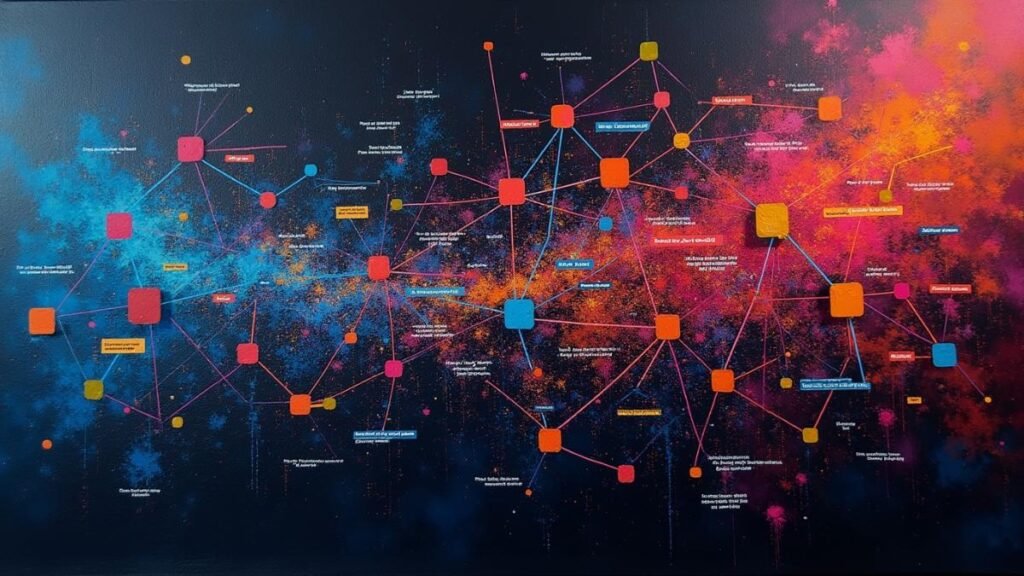
How Does BloodHound Reveal Attack Paths in Active Directory?
BloodHound ingests AD relationships then graph-ranks shortest real paths to domain impact. It turns sprawling permissions into a fix list with clear choke points.
Practical use
- Collection: SharpHound with least-privileged collection methods.
- Noise pruning: Filter stale sessions and disabled objects.
- Prioritization: Tackle paths that need the fewest steps and lowest privilege bumps first.
- Handoff: Export path visuals with remediation notes.
Why Is Hashcat Still Core for Credential Testing?
Hashcat reveals policy weaknesses using masks and rules on test or authorized hashes. Results guide length, complexity, and lockout policy tuning without exposing real secrets.
Practical use
- Ethics first: Use vendor example hashes or sanctioned test dumps only.
- Modes and masks: Combine masks with curated rules for realistic coverage.
- Controls: Fixed run times, documented dictionaries, and immediate disposal of derived data.
- Reporting: Share crack rates and time-to-guess insights, not raw passwords.

When Is Wireshark the Fastest Way to Understand What’s Broken?
When HTTP codes and logs don’t tell the story, packet captures expose handshakes, TLS alerts, and protocol errors. Focused filters answer why a flow fails.
Practical use
- Capture vs display filters: Capture less, display more.
- Common checks: TLS version mismatches, NTLM challenge flows, odd retransmits.
- Chain-of-custody: Timestamp, hash, and store pcap files securely.
- Handoff: Export filtered flows for developers and defenders.
How Do You Prioritize Findings and Hand Off Clear Fixes?
Rank each issue by exploitability, impact, and ease of fix. Provide minimal steps to reproduce, proof in screenshots or pcaps, and a ready-to-apply remediation.
Simple severity model
- Exploitability: public exploit, known misconfig, or complex chain
- Impact: data access, privilege rise, lateral movement, business outage
- Ease of fix: one-line config, patch, or multi-team project
Handoff checklist
- Title, affected asset, evidence hash
- Short repro, expected vs actual, risk statement
- Concrete remediation and a retest plan
- Owner and target date
“Clear reproduction and a single actionable fix beat a thousand-word narrative.”
Key Takeaways
- Scope and logging protect the client and the tester.
- Ten tools cover discovery through handoff without overlap.
- Template-driven checks and tight filters reduce noise.
- AD path graphs turn complex domains into a short fix list.
- Share outcomes the team can act on today.
Conclusion
A consistent pipeline matters more than any single tool. Map the surface with Nmap, discover with ffuf, validate with Burp and Nuclei, then confirm impact with controlled modules and AD pathing. Close the loop with evidence and fixes the blue team can implement quickly.
What would you like covered next — a full sample report pack or an API testing deep dive with Burp?
FAQ
Is using these tools legal?
Yes, with written authorization and scoped targets. Running them on networks you do not own or control can be illegal.
Should these tools run in production?
Prefer test windows and canary targets. Coordinate with defenders to avoid noise and false incidents.
Can cloud targets be tested the same way?
Some methods change. Use provider-approved techniques and review each cloud’s terms and testing program.
How do you avoid false positives?
Correlate at least two sources, rerun in a quiet window, and prefer proof that stands on its own.
What about rate limits and WAFs?
Throttle and randomize. Respect limits and pause when instability appears.
