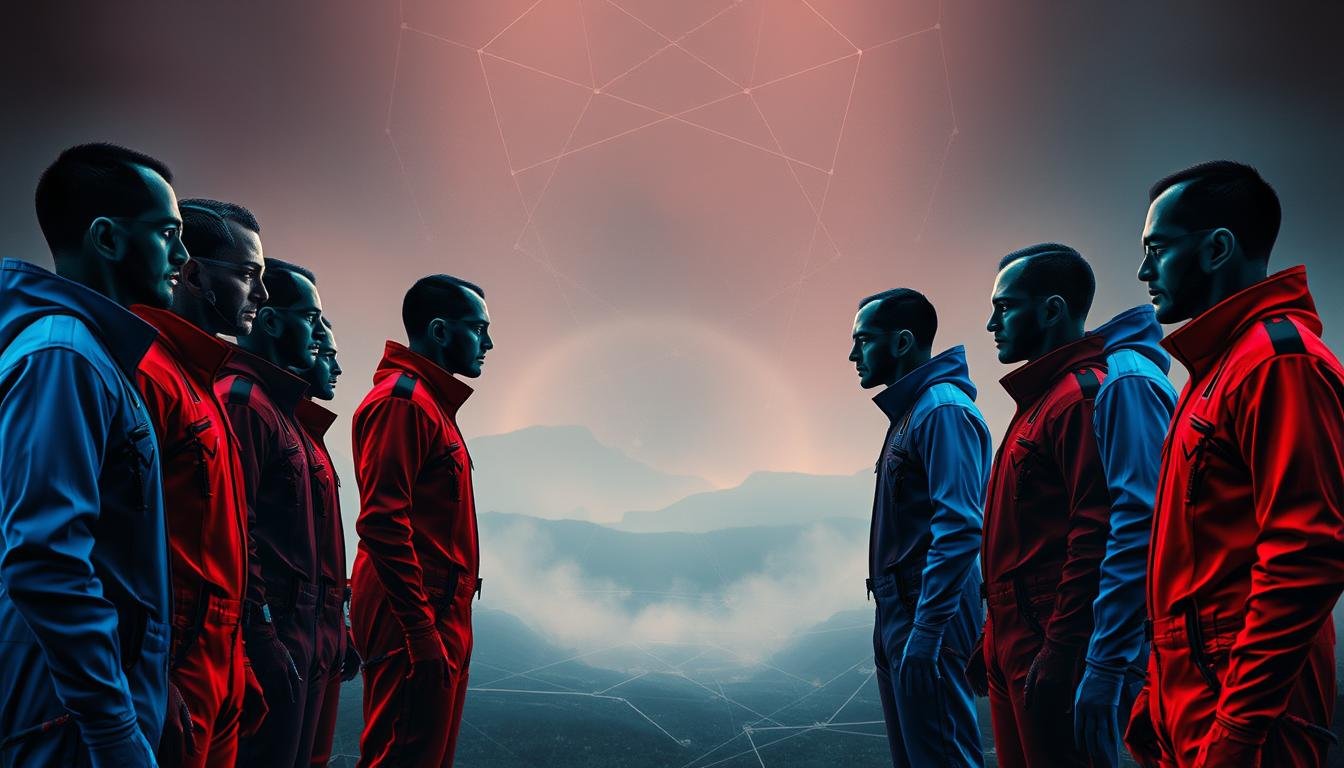
Almost 60% of close contests show a measurable edge tied to color and perception. That surprising mark comes from sports and gaming studies that link visual cues to small but real shifts in outcome.
I’ve led offensive and defensive groups in live exercises. I’ve seen how simple signals change choices under pressure.
Research—from Olympic combat sports to taekwondo footage recoloring and large-scale game logs—shows referees and opponents can be nudged by visual context. These effects are often small, yet they wield influence in tight matches and critical incidents.
In practice: the offensive mindset seeks disruption and opportunistic risk. The defensive mindset favors composure, repeatability, and controlled response.
This article compares those approaches and translates findings into concrete steps for exercise design, detection work, and performance coaching. You’ll find tested examples, quick wins for training, and how to avoid over-indexing on aggression while keeping decisive advantage today.
Key Takeaways
- Small cues matter: color and context can nudge outcomes in close contests.
- Evidence spans sports, gaming, and referee behavior—bias appears even when color is digitally changed.
- Translate findings into exercise design and feedback to boost detection and response.
- Balance intensity and stability to improve overall performance.
- Use shared rituals and clear visual signals to shape confidence and emotions constructively.
- For deeper background, see research summaries at this color study.
From Sports Arenas to SOCs: How Color Psychology Illuminates Team Mindsets
Color cues shift goals and behavior across fields and operations. They prime risk appetite, frame roles, and nudge how people decide under stress.
Defining roles by action, not title: In practice, a “red” role probes, seeks openings, and accepts uncertainty to gain advantage. A “blue” role values repeatable controls, calm triage, and dependable containment paths.
What colors signal: The color red is often associated with intensity, urgency, and dominance. The color blue is often associated with composure, trust, and stability. These signals influence competitor behavior and observer judgments, from referees to executives.

How this matters for operations today
- In cybersecurity: the red model pushes initiative and exploitation; the blue model enforces steady, evidence-based response.
- Sports examples make it tangible: Alabama or the Chicago Bulls telegraph urgency; the New York Yankees and Dallas Cowboys project steady legacy that fans read as reliable.
- Uniforms and visible cues shape stakeholder perception—small design choices in exercises and communications reinforce desired strengths.
Design and choice
When you plan exercises, design signals that align with the role’s goals. Use visuals, language, and rituals to anchor emotions and clarify priorities.
Practical takeaway: Mix both approaches. Pursue edges where safe, and default to calm containment when stability matters most.
red vs blue team psychology: Aggression, Calm, and the Biases That Shape Competition
Small visual cues can tilt fast decisions and change outcomes in tight contests. Multiple studies show modest but consistent shifts in referee calls and match results tied to uniform color and visual framing.
What drives the pursuit and pressure mindset?
Red-side approach: controlled aggression seeks errors, compresses defenders’ decision windows, and stacks micro advantages over time. In practice, wearing red correlates with sharper pacing and risk acceptance.
How does calm maintain performance under fire?
Blue-side approach: steadiness is active tradecraft. Teams stabilize telemetry, filter noise, and act with repeatable precision to limit blast radius and sustain performance.
“Athletes randomly assigned to red in Olympic combat sports won more often in matched bouts.”
| Study | Context | Finding | Relevance |
|---|---|---|---|
| Hill & Barton (2005) | Olympic combat (like boxing, taekwondo) | Wearing red linked to more wins among matched athletes | Shows color can give small competition advantage |
| Hagemann et al. (2008) | Taekwondo footage (digital swap) | Referees awarded more points to recolored red | Perception bias in high-speed judgment |
| Ilie et al. (2008) | Unreal Tournament game (1,347 matches) | Red won ~5% more; effect small in close games | Digital analog useful for exercise design |
Takeaway: use this edge, but counter bias with blind scoring, objective artifacts (logs, packet captures), and clear exit criteria. That keeps exercises honest and improves real-world performance.

Applying the Psychology: Building Better Adversaries and Defenders
Good exercises shape behavior by pairing clear intent with measured intensity. Calibrate scenarios so energy produces insight, not noise. Design with evidence-based goals and clear scoring to protect learning value.
How should you calibrate energy without rewarding aggression?
Design exercises to vary time, access, and objective complexity. Constrain windows, set measurable wins, and script attacker intent so actions teach tradecraft.
Keep scoring objective: rely on alerts, logs, and timelines rather than impression. That reduces perception bias and preserves usable feedback.
How do cultural cues and uniforms influence focus?
Use language, rituals, and simple uniforms to build clarity and confidence. Short call signs, repeatable brief formats, and badges steer emotions toward purpose.
Rotate roles and run shared cycles so athletes wear mental models of both offense and defense. That exchange gives a real competitive edge and improves long-term performance.
| Design lever | What to calibrate | Outcome measured | Best use |
|---|---|---|---|
| Tempo | Time limits, burst windows | Reaction speed, false positives | Lab drills |
| Scope | Initial access, complexity | Dwell time, detection gaps | Prod-like tests |
| Cultural cues | Language, visual markers, uniforms | Confidence, focus, handoff honesty | Training cycles |
| Scoring | Artifacts: logs, timelines, alerts | Objective performance, bias reduction | All exercises |
Conclusion
Visual cues can nudge judgment in close moments, but durable capability comes from practice and clear measurement.
Visual signals give short-lived edges: think of athletes who benefit in tight contests when wearing a bold hue. For context and data, see the analysis on wearing red.
Use those effects as a design input, not destiny. Define outcomes, rehearse roles, run short bursts, and score with artifacts—logs, timelines, and objective metrics.
Share lessons across roles so attackers and defenders both improve. The goal is simple: steady confidence, sharper decision quality, and measurable performance that outlasts any uniform or momentary signal.
